Police Impound Pickup Trucks: What Buyers Should Know
Police-impound pickup trucks sit at an unusual crossroads: public disposal process, used-truck demand, and bargain-hunting ambition. For buyers who need hauling power without paying retail-lot prices, these vehicles can look like a shortcut to value. Yet the same auction lane that sparks excitement also hides uncertainty about maintenance, paperwork, and repairs. Understanding how these trucks reach sale day is the difference between a smart purchase and an expensive lesson.
Outline
- Why police-impound pickup trucks attract attention and how they end up for sale
- How auction systems operate, including registration, previews, bidding, payment, and pickup
- How to inspect condition, estimate repairs, and compare total cost with other used-truck buying options
- Which title, registration, and legal details deserve close review before any bid is placed
- How different kinds of buyers can decide whether an impound truck truly fits their needs
Why Police-Impound Pickup Trucks Draw So Much Interest
Pickup trucks occupy a special place in the used-vehicle market because they serve more than one role at once. A single truck may be a weekday work tool, a weekend towing machine, a family hauler, and a rural utility vehicle. That broad usefulness helps explain why police-impound pickups attract attention the moment they appear in a public listing. Buyers see the words “impound” or “police auction” and imagine a hard-working vehicle selling below normal market price. Sometimes that expectation is justified. Sometimes it is not.
These trucks typically enter impound for reasons that have little to do with mechanical quality. Common scenarios include unpaid parking fines, arrests, abandoned vehicles, expired registration, towing after accidents, or storage liens that went unresolved. In many jurisdictions, once the legal holding period has passed and the owner has not reclaimed the vehicle, the truck may be sold through a city auction, county auction, contracted online platform, or lien-sale process. The key point is simple: the vehicle’s path to sale often reflects an administrative outcome, not a careful dealer-style inspection or reconditioning program.
An impound yard can feel like a parking lot filled with unfinished stories. One truck may have been seized after repeated violations, another may have been parked too long on private property, and another may have been left behind when repairs became too costly for the owner. Because of that variety, condition ranges widely. Some pickups are rough, neglected, and obviously overdue for work. Others show signs of basic upkeep and merely ended up in the system because an owner could not recover them in time.
Compared with buying from a franchised dealer, the appeal is usually price. Compared with buying from a private seller, the appeal is access to a larger, rotating pool of vehicles. Still, the tradeoff is real:
- Dealer sales often include inspection, detailing, financing options, and at least limited paperwork support.
- Private-party sales may allow a road test and a longer conversation about maintenance history.
- Impound sales may offer a lower opening price, but they rarely offer comfort, certainty, or post-sale help.
That is why serious buyers look past the auction label and focus on the truck itself. A low bid on a half-ton pickup can be attractive, especially when models such as the Ford F-150, Chevrolet Silverado, GMC Sierra, Toyota Tacoma, Nissan Frontier, or Ram 1500 are involved. But popularity cuts both ways. Desirable trucks attract more bidders, which can narrow the savings quickly. The real opportunity is not “cheap trucks.” It is finding the rare combination of usable condition, manageable repairs, and clean enough paperwork to make the total purchase cost sensible.
How Police Impound Auctions and Lien Sales Usually Work
Many first-time buyers picture an auction as a fast chant, a raised hand, and a lucky bargain. In reality, police-impound pickup sales are usually more procedural than dramatic. The exact process depends on local law and the selling entity, but most follow a recognizable sequence: the truck is listed, buyers register, a preview period may be offered, bidding opens, payment is due quickly, and pickup deadlines are strictly enforced. If you miss one step, the deal can fall apart before the keys ever reach your hand.
There are several sale formats. Municipal agencies may host their own public auctions. Some departments outsource sales to companies that manage government and fleet inventory online. Tow yards may conduct lien sales under state rules when towing and storage bills go unpaid. Seized-asset auctions can also include trucks, though those may come through separate channels and often involve additional documentation. For buyers, these distinctions matter because they affect what information is available and what type of title is likely to follow.
Most sales begin with registration. You may need a government-issued ID, agreement to sale terms, and occasionally a refundable deposit. Online platforms often require account verification before bidding. In-person events may provide only a short inspection window, sometimes with no engine start and no road test. That limitation is one of the biggest differences between an impound purchase and a standard used-truck transaction. You are often judging the truck from its stance, body condition, interior wear, fluid traces, tire age, VIN history, and whatever the listing discloses.
Buyers should expect several standard rules:
- Vehicles are commonly sold as-is, where-is, with no warranty.
- Payment deadlines are often immediate or within 24 to 48 hours.
- Accepted payment methods may be limited to cashier’s check, wire transfer, or certified funds.
- Storage fees can begin quickly if the truck is not removed on time.
- Some vehicles come without keys, manuals, plates, or service records.
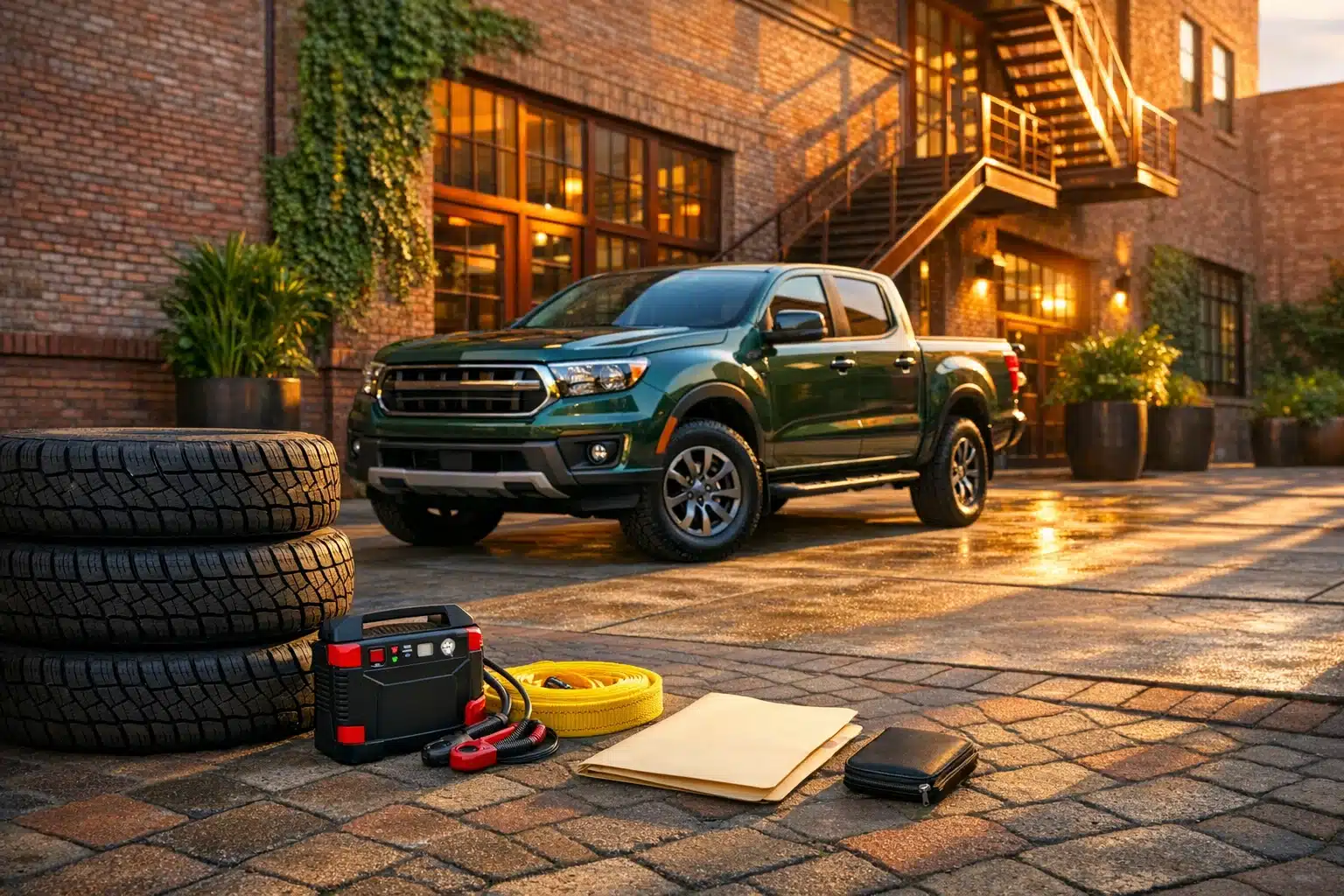
Another important point is that auction terms can shift responsibility to the buyer very quickly. If a listing mentions unknown mechanical condition, missing title paperwork, salvage branding, or inoperable status, that language is not decorative. It is a warning. A truck that looks complete in photographs may need a battery, ignition work, towing, locksmith service, or a trailer just to leave the lot.
Comparison shopping helps here. A private seller may allow a test drive. A dealer may absorb some administrative friction. An impound auction compresses the timeline and places most of the risk on the bidder. That does not make the process bad; it simply means the buyer must arrive with a plan. The people who do best are rarely the most emotional bidders. They are the calm ones who know their ceiling, understand the rules, and treat every listing like a business decision rather than a treasure hunt.
Inspecting Condition: What Matters More Than the Opening Bid
The opening bid is the headline, but condition is the full story. A pickup truck can look inexpensive on auction day and become costly by the time it is registered, repaired, insured, and put to work. That is especially true with impound vehicles, because neglect often hides in places a quick walk-around will not reveal. The smartest buyers focus less on winning and more on whether the truck can serve its intended purpose without swallowing the savings.
Start with the obvious. Examine the body for mismatched paint, uneven panel gaps, bent bumpers, cracked lights, and rust in common trouble spots such as wheel arches, rocker panels, bed corners, frame areas, and cab mounts. Look underneath if access is allowed. Fresh undercoating can sometimes hide corrosion, while caked mud may conceal leaks or impact damage. On work trucks, pay attention to the bed floor, tailgate alignment, hitch receiver wear, and suspension squat. Heavy towing and payload use leave clues.
Then move to the cabin. A torn seat is not a crisis, but a heavily worn steering wheel, damaged switchgear, broken instrument cluster, or strong mold smell can hint at hard use, electrical issues, or water intrusion. If the odometer shows modest mileage but the interior looks dramatically older, treat that mismatch seriously. Modern pickups often carry expensive electronics, infotainment units, driver-assistance sensors, and integrated four-wheel-drive controls. Repairs in those areas can erase any price advantage fast.
If a preview permits closer checks, focus on these areas:
- Engine bay signs such as burnt smells, fluid sludge, cracked hoses, or disconnected components
- Transmission behavior if the truck can be started and shifted safely
- Transfer case and four-wheel-drive engagement on 4×4 models, if testing is allowed
- Tire wear patterns that suggest alignment, suspension, or frame issues
- Brake rotor condition, fluid leaks, and warning lights
- VIN consistency on the dashboard, door sticker, and title-related paperwork
Comparison is essential. A dealer-listed used pickup priced higher may still be cheaper in total if it includes a verified title, fresh service, and immediate roadworthiness. A private-party truck might cost more upfront but come with maintenance receipts and a proper test drive. By contrast, an impound truck often requires buyers to budget for uncertainty. A practical rule is to build a repair reserve before bidding. If you think the truck needs $1,500 in work, plan for more. Batteries, tires, key replacement, fluids, towing, diagnostics, and registration fees stack up quickly.
There is also a category difference within pickups themselves. Half-ton trucks used as personal vehicles may have easier parts access and broad mechanic familiarity. Heavy-duty models can be appealing for towing, but diesel emissions systems, larger brake components, and commercial-grade wear can raise costs sharply. In other words, the cheaper hammer price is not always attached to the cheaper ownership experience. What matters is fitness for your job, not the thrill of seeing a low number on the bidding screen.
Titles, Paperwork, and Legal Details That Can Change the Deal
Paperwork is the part many buyers rush through, yet it can decide whether a truck becomes a useful asset or a frustrating yard ornament. A police-impound pickup may be sold with a clean title, a lien-sale packet, salvage branding, rebuilt branding, or delayed title processing, depending on the jurisdiction and reason for sale. Those differences affect registration, resale value, insurance, and how easily you can put the truck back on the road.
The first rule is to read the listing language closely. Terms such as “title pending,” “bill of sale only,” “parts only,” “not for highway use,” or “salvage” are not minor footnotes. They signal specific legal and administrative consequences. In some states, a bill of sale may be sufficient to begin title work. In others, missing documents can trigger extra inspections, bonding requirements, or long waits at the motor vehicle office. Buyers who assume the paperwork will sort itself out often learn otherwise.
Here are the most important items to verify before bidding:
- Whether the truck comes with a transferable title or only preliminary sale documentation
- Whether the VIN on the truck matches the sale listing and title paperwork exactly
- Whether the title is clean, salvage, rebuilt, junk, or otherwise branded
- Whether emissions testing, safety inspection, or stolen-vehicle checks are required before registration
- Whether the truck has unpaid fees that remain the buyer’s responsibility after sale
- Whether keys are included, since key programming on newer pickups can be expensive
Insurance is another overlooked factor. Some insurers are cautious with salvage or rebuilt vehicles, and financing can also be harder to secure compared with a clean-title truck sold through a conventional channel. That means an auction winner may save on purchase price but face narrower options afterward. If you plan to finance, insure comprehensively, or resell the truck within a few years, title condition matters just as much as engine condition.
Vehicle-history tools can help, though they should not be treated as perfect. Services such as Carfax or AutoCheck may reveal accident history, prior ownership patterns, odometer records, or title brands, but not every event is captured promptly or fully. A missing report entry is not proof of a trouble-free past. It is simply one piece of the puzzle.
Buyers should also respect local variation. State laws differ on lien releases, title application deadlines, emissions compliance, and reinspection after a salvage designation. For that reason, the safest approach is practical and boring in the best possible way: confirm the exact rules with your state motor vehicle agency before bidding. A truck with solid mechanical bones is valuable only if you can legally register, insure, and use it in the way you intended.
Who Should Buy One and Final Takeaways for Smart Truck Shoppers
Police-impound pickup trucks make the most sense for buyers who understand risk and can translate uncertainty into a controlled budget. That usually includes mechanically experienced owners, small contractors with repair contacts, rural buyers who can do some work themselves, fleet managers comfortable with parts sourcing, and resellers who know title rules cold. It is a tougher fit for shoppers who need a turnkey daily driver by Monday morning, have no inspection strategy, or expect a dealer-like purchase experience. The farther you are from hands-on problem solving, the more careful you should be.
A sensible buying strategy starts well before the first bid. Decide exactly what kind of truck you need: light-duty commuting pickup, half-ton work truck, midsize off-road platform, or heavy-duty towing unit. Then set a full ownership budget, not just a bid number. Include auction fees, taxes, towing, title work, immediate maintenance, tires, battery replacement, locksmith service, and contingency funds. The gap between a winning bid and a usable truck is often where people get surprised.
Good bidders also keep emotion on a short leash. Competitive auctions can create a strange heat, as if the truck becomes more valuable simply because another hand goes up. Resist that pull. When a truck crosses your ceiling, let it go. Another listing will appear. One of the most expensive mistakes in this space is paying retail-like money for a vehicle that still carries auction-grade uncertainty.
Practical habits help tilt the odds in your favor:
- Preview every truck in person when possible rather than relying only on photos
- Run the VIN and compare the report with visible condition
- Research common issues for the exact model year, engine, and transmission
- Bring a flashlight, tread gauge, paper towels, and a checklist
- Set a hard maximum bid based on total cost, not optimism
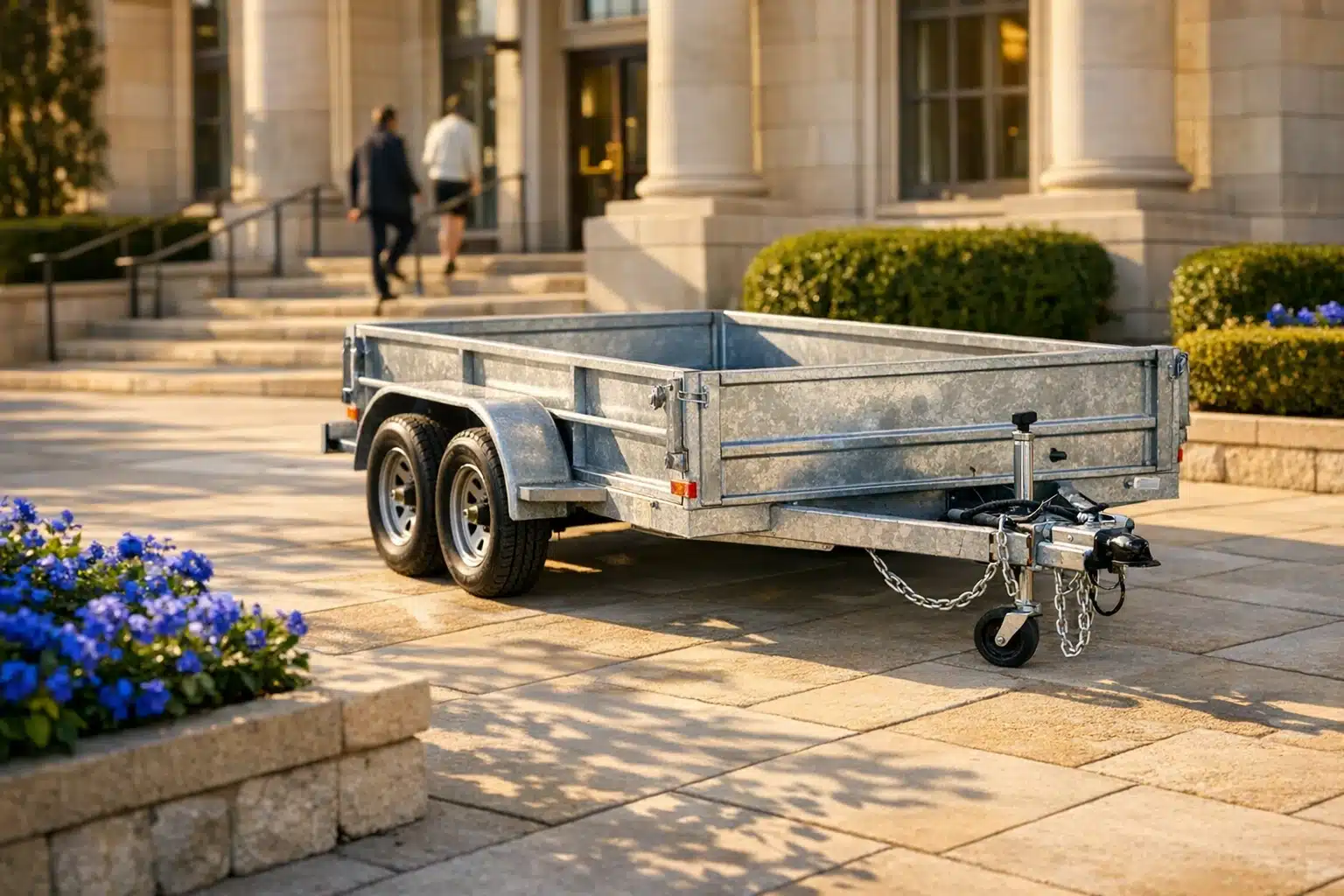
- Have transport arranged in case the truck is not immediately drivable
For the target audience most interested in these sales, the core lesson is straightforward. If you are chasing dependable utility at the lowest realistic price, a police-impound pickup can be worth serious attention. If you are chasing a fantasy bargain without room for repairs, delays, or paperwork friction, the same purchase can become frustrating fast.
In summary, the best buyers treat impound trucks like projects to be evaluated, not prizes to be won. They compare the auction route with dealer inventory and private listings, they read the documents with care, and they budget for what cannot be known at first glance. For shoppers willing to do that work, an impound pickup may become a useful truck at a fair cost. For everyone else, paying more upfront for transparency may be the cheaper move in the long run.