Police Impound Trailers: What Buyers Should Know Before an Auction
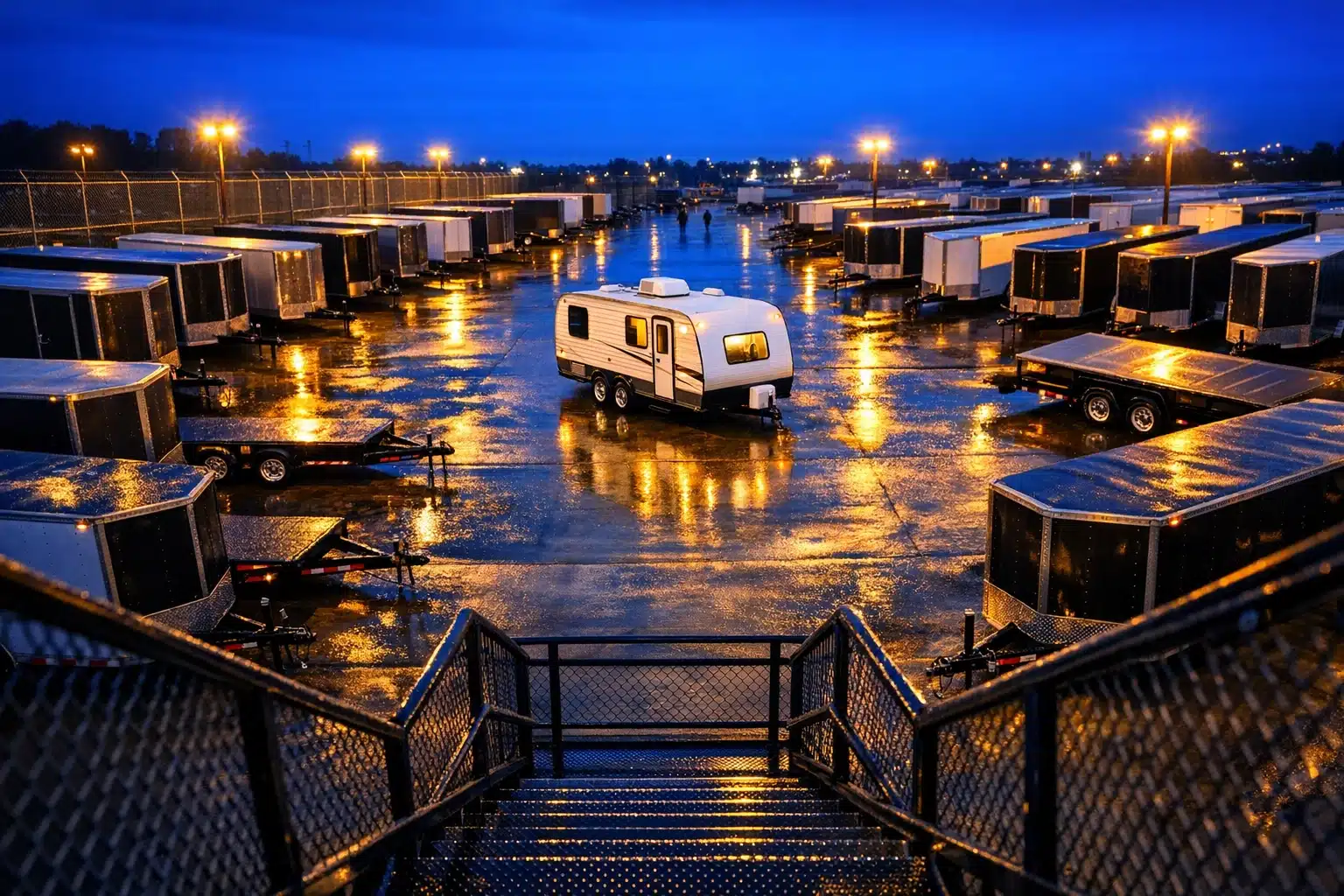
Few auction yards feel as tense as the impound lot: rows of trailers sit behind chain-link fences, each carrying a small mystery and a tempting price tag. For buyers, that mix of opportunity and uncertainty is exactly the appeal. A seized utility trailer, enclosed hauler, or camper can cost far less than a private-sale unit, yet paperwork gaps, missing parts, and legal restrictions can quickly erase the savings. Knowing what to check before bidding is what separates a smart purchase from an avoidable problem.
Article Outline
- How police impound trailers end up at auction and what makes these sales different from ordinary used-trailer shopping.
- What to inspect before bidding, including frame condition, axles, couplers, lights, tires, and signs of theft or neglect.
- Which legal documents matter most, from title status and VIN verification to liens, registration hurdles, and local release rules.
- How to calculate the real purchase cost once auction fees, transport, repairs, taxes, and resale value are added.
- Practical closing advice for first-time bidders, small business owners, contractors, and budget-focused buyers.
How Police Impound Trailer Auctions Work
Police impound trailers usually reach auction through a chain of events that starts long before the public sees a bidding list. Some units are abandoned on roadsides, parking lots, or private property and later towed by order of local authorities. Others are recovered after theft, held as evidence for a period, or seized when owners fail to resolve citations, storage charges, or legal claims. Once statutory notice periods have passed and the original owner does not reclaim the trailer, the impounding agency or a contracted storage company may dispose of it through a public sale. That process sounds straightforward, but the details vary widely by city, county, state, or country.
For buyers, the first important distinction is that an impound auction is not the same as shopping through a dealer or even a typical private seller. A dealer often reconditions inventory, verifies paperwork, and may provide at least some disclosures. A private seller may let you ask questions, request maintenance records, or meet at daylight with time to inspect. An impound lot, by contrast, often sells trailers strictly “as is” and “where is.” That means no repair promises, no guarantees that all accessories are present, and sometimes no assurance that the battery-powered breakaway system, lights, jack, or spare wheel still exists. In plain terms, you are often buying a snapshot of a trailer’s current condition, not its full story.
Understanding the auction format also matters. Many lots use one of these approaches:
- Live in-person bidding
- Online timed auctions
- Sealed bid sales
- Hybrid events with preview days and digital payment rules
Each format changes buyer behavior. In-person events can feel fast and emotional, with bidders reacting to crowd energy. Online auctions create distance but may encourage impulse bidding because the trailer is reduced to photos and a line of text. Sealed bid systems can be calmer, yet they demand stronger pricing discipline because you do not know how others value the unit.
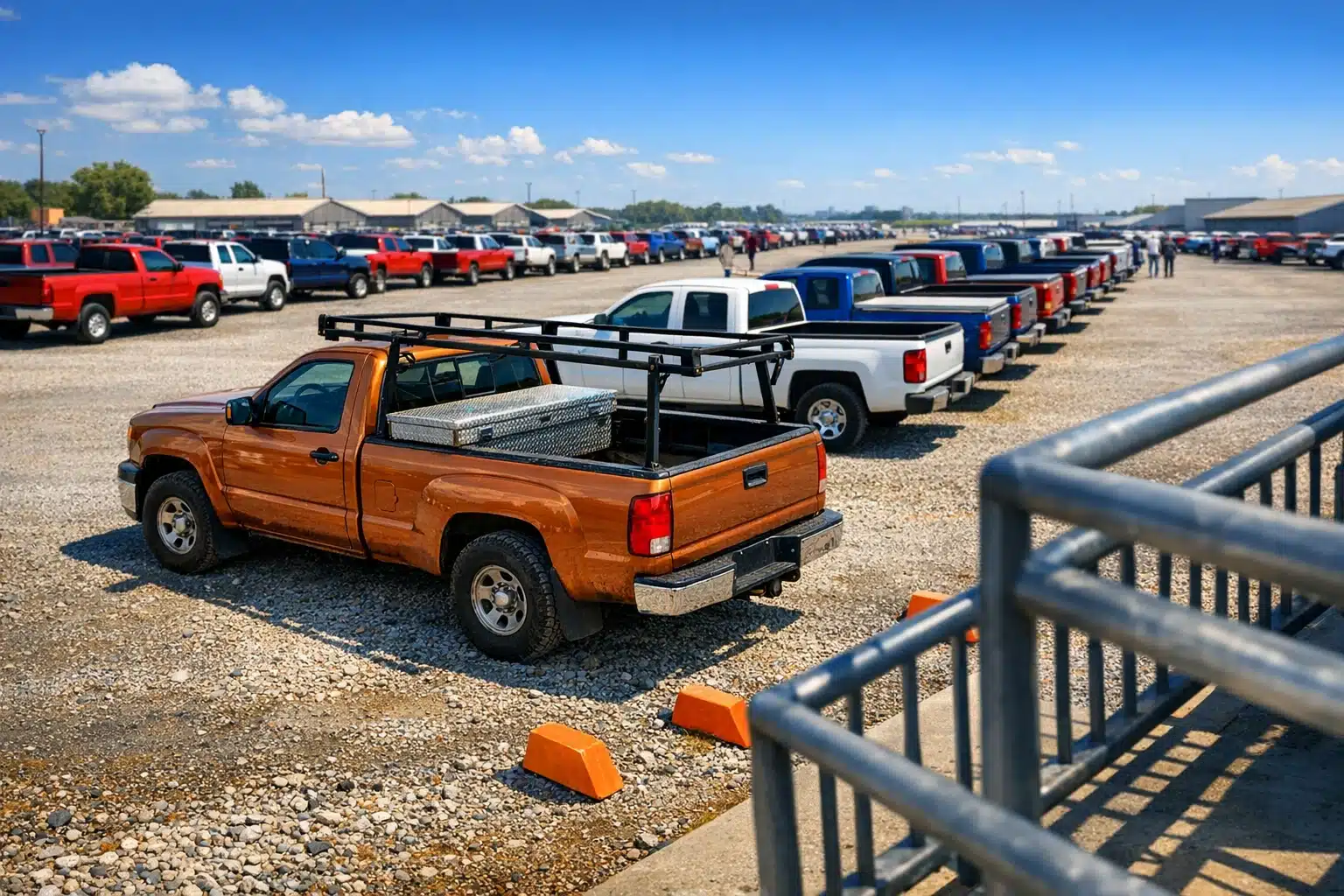
Another major difference is access. Some impound yards allow only visual inspection from outside the trailer. Others prohibit crawling underneath, plugging in electrical systems, or opening locked compartments. That restricted access raises risk and should lower your bid ceiling. Think of the yard as a stage set under harsh daylight: what you see is useful, but what you cannot see matters just as much. Smart buyers do not chase the thrill of a cheap win. They treat the auction catalog as a starting point, not a promise.
Inspecting Condition, Identification, and Roadworthiness
A trailer can look sturdy from ten feet away and still be one pothole away from a breakdown. That is why physical inspection is the heart of a sound buying decision. Police impound trailers often have unknown maintenance histories, long storage periods, exposure to weather, or damage caused during abandonment, towing, or theft recovery. Even a simple utility trailer deserves a methodical walkaround. If the yard permits only a brief preview, use that time carefully and bring a flashlight, gloves, notepad, and your phone for photos.
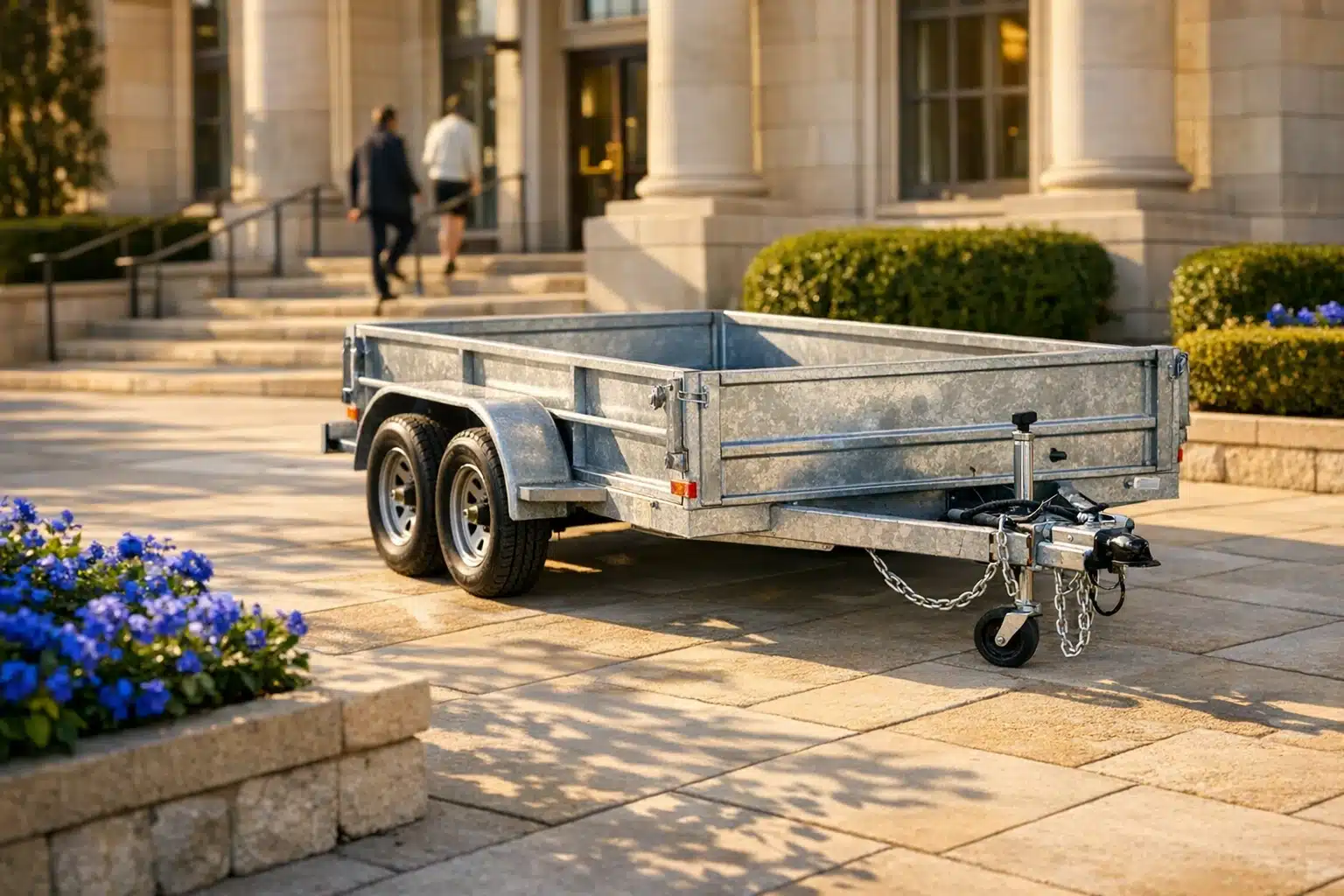
Start with the frame. Rust is not automatically a deal breaker, but scale corrosion, cracked welds, bent crossmembers, or fresh spray paint hiding repairs should make you cautious. Surface rust can often be managed; structural weakness is a different story. Then inspect the coupler, safety chains, tongue jack, and wiring plug. These parts are small compared with the frame, yet they determine whether the trailer can be connected and moved safely. If the coupler is loose, the chains are missing, or the wiring harness has been cut, your “cheap” purchase may need immediate work before it can legally hit the road.
Next, focus on running gear and visible signs of neglect:
- Tires with dry rot, sidewall cracks, or mismatched sizes
- Wheels showing impact damage or severe corrosion
- Axles that sit unevenly or appear overloaded
- Leaf springs, hangers, or shackles with distortion
- Lights with broken lenses, missing housings, or exposed wires
- Floors with rot, soft spots, or delaminated wood
If the trailer is enclosed, open doors carefully and smell the interior. Water intrusion often leaves clues before your eyes confirm them. Musty odor, stained panels, swollen trim, and soft flooring suggest leaks that may have been brewing for months. On boat trailers, inspect bunks, rollers, winch straps, and the winch post. On campers or travel trailers, exterior shell condition matters, but hidden water damage matters even more. Repairs on recreational trailers can escalate quickly because rot travels quietly.
Identification details deserve equal attention. Check whether the VIN plate is present, legible, and appears original. Missing or altered identification is a serious warning sign, especially on recovered or abandoned property. Compare the plate information to the auction listing if available. Also note the trailer’s gross vehicle weight rating, axle count, tire specifications, and brake equipment. These details affect towing compatibility with your vehicle and may determine whether additional registration or inspection steps apply.
When comparing an impound trailer with one from a dealer or private marketplace, the tradeoff is simple: lower entry price versus higher uncertainty. Buyers who already have repair skills, a tow vehicle, and access to parts can often absorb that uncertainty better than someone who expects immediate use. If you need a trailer for work next week, condition matters more than the romance of a bargain.
Titles, Liens, VINs, and Other Legal Questions Buyers Cannot Ignore
Many first-time bidders focus on the trailer itself and only later discover that paperwork decides whether the purchase is useful. A trailer that cannot be titled, registered, or insured as needed may be worth far less than it first appears. That is why legal status should sit near the top of your checklist, not at the bottom. The exact rules differ by jurisdiction, but the core questions are remarkably consistent: Does the trailer have a clear path to ownership transfer, is the VIN valid, and are there any unresolved claims attached to it?
At an impound sale, buyers may receive one of several document types. In some cases, the seller provides a title. In others, the buyer receives only a bill of sale, an auction receipt, or an impound release document to begin the title application process. That difference matters. A titled trailer can be simpler to register, finance, or resell. A bill-of-sale-only trailer may still be legal to buy, but it often requires more effort with the motor vehicle agency, and in some places it may trigger inspections, bonded title steps, or additional proof of value. If you assume the paperwork is routine, you risk discovering delays after you have already paid storage, transport, and auction fees.
Before bidding, ask practical questions such as:
- What exact ownership document will the buyer receive?
- Is the trailer titled, untitled, salvage, rebuilt, or otherwise branded?
- Has the VIN been checked for theft records or reporting issues?
- Are there release conditions, deadlines, or identity requirements for pickup?
- Will unpaid taxes, penalties, or lien issues survive the auction in your area?
VIN verification deserves special attention. If a plate is missing, scratched beyond recognition, or appears tampered with, pause immediately. A missing VIN can prevent registration and can also raise serious legal concerns. In the United States, buyers may be able to use state DMV resources or NMVTIS-participating history providers to research title records, though the amount of trailer information available varies. For older, lightweight, or homemade trailers, recordkeeping may be thinner, which makes agency guidance even more important.
Liens are another area where assumptions cause trouble. Some public auctions extinguish certain claims under local law after notice procedures are completed; others may not resolve every administrative hurdle a buyer imagines. The safest approach is not to rely on auction-room folklore. Verify the release terms in writing, read the sale conditions, and if the trailer is high-value, consider speaking with the relevant agency or a qualified local professional before bidding.
The legal side may sound dry, but it is the quiet machinery behind the whole transaction. The trailer frame gets attention because it is visible. The documents deserve equal respect because they decide whether your purchase becomes an asset, a project, or a headache parked permanently in your driveway.
Calculating the Real Cost: Bid Price, Fees, Repairs, Transport, and Resale
The hammer price is only the front door of the transaction. What matters is the total cost to own, move, and use the trailer. Buyers who forget this often overpay without realizing it. A trailer won for what seems like a bargain number can become expensive once auction premiums, taxes, towing, tire replacement, wiring repairs, bearings, registration, and lost time are counted together. The smartest bidders build a full-cost estimate before the event starts, then treat that number as a hard boundary rather than a flexible wish.
A useful comparison is to place three figures side by side: the likely all-in auction cost, the price of a similar trailer in a private sale, and the price of a comparable dealer unit. A dealer listing will usually be highest, but it may also come with cleaner paperwork, better disclosure, and less immediate repair work. A private seller may fall in the middle while allowing more conversation and inspection time. The impound option can still offer value, especially for mechanics, contractors, farm owners, and experienced trailer users, but only when the gap is large enough to justify the uncertainty.
Build your estimate around these cost layers:
- Winning bid amount
- Buyer’s premium or administrative fee
- Sales tax or transfer charges where applicable
- Title, registration, and plate fees
- Transport from the yard if the trailer is not roadworthy
- Immediate safety work such as tires, hubs, bearings, brakes, lights, and coupler parts
- Cosmetic or functional restoration costs
- Storage charges if pickup is delayed
Transport is often underestimated. If the trailer has flat tires, frozen hubs, damaged lights, or missing chains, you may need a flatbed or professional towing service rather than a simple hitch-up and drive home. That single decision can change the economics of the purchase. The same goes for enclosed trailers and campers, where water damage, roof repairs, or appliance issues can quickly exceed the amount saved at auction.
Resale value should also shape your bidding strategy. Buyers sometimes assume that because they won cheaply, they can resell easily. In reality, market value depends on usable condition, clean paperwork, age, size, axle configuration, and the local demand for that trailer type. A plain utility trailer with solid bones and clean documents may sell quickly. A specialty trailer with missing components or a difficult title path may sit for months.
One practical rule helps cut through excitement: decide your maximum all-in cost first, then back out the estimate for repairs and fees to find your maximum bid. That turns the auction from a guessing game into a controlled calculation. The lot may still feel dramatic, but your math should remain calm.
Conclusion for First-Time Bidders and Practical Buyers
Police impound trailer auctions can absolutely produce worthwhile buys, but they reward preparation far more than optimism. For contractors, landscapers, hobby haulers, farmers, small fleet operators, and budget-conscious individuals, the opportunity is real: lower purchase prices, occasional overlooked gems, and access to trailer types that might otherwise be out of budget. Yet every advantage comes paired with a responsibility. You must inspect carefully, verify paperwork, measure repair risk, and understand the rules of the specific auction before you raise a hand or click a bid button.
If you are new to this market, keep your first purchase simple. A basic utility trailer with a readable VIN, sound frame, standard wheels, and straightforward title status is usually a safer starting point than an enclosed cargo unit with locked doors or a camper with possible water intrusion. Familiar equipment is easier to evaluate. Parts are easier to source. Mistakes are cheaper. That learning curve matters because the auction environment can tempt buyers to stretch beyond their experience level.
A disciplined approach looks like this:
- Read the auction terms before auction day, not after it
- Preview the trailer in person whenever possible
- Photograph identification plates, tires, axles, and visible damage
- Verify what document you will actually receive at purchase
- Set a firm maximum bid based on total ownership cost
- Plan transport before bidding, especially for non-roadworthy units
- Walk away from trailers with unclear identity or suspicious alterations
There is also a mindset worth adopting. Do not ask, “How cheap can I buy this trailer?” Ask, “How confidently can I put this trailer to work?” That small shift changes everything. It pulls attention away from adrenaline and toward utility, legality, and long-term value. In many cases, the best buy at an impound auction is not the lowest-priced trailer in the yard. It is the one with the fewest expensive surprises.
For the target audience, that is the real takeaway. If you need dependable hauling and want to save money, an impound auction can be worth your time. Just enter with a checklist, a calculator, and enough patience to let a questionable deal pass by. Sometimes the smartest bid is a modest one. Sometimes it is no bid at all. Either way, informed buyers leave with better outcomes than lucky buyers.