 Artificially generated image
 Police Impound Trailers: What Buyers Should Know
Police impound trailers can look like hidden bargains, but they sit at the intersection of law, logistics, and risk. A low bid may buy you a flatbed, cargo trailer, or camper, yet it can also come with missing paperwork, deferred maintenance, or strict pickup deadlines. Understanding how impound sales work helps buyers avoid costly surprises and spot genuine value. For contractors, hobbyists, and first-time auction bidders alike, a little preparation can turn a confusing lot into a smarter purchase.
Outline and Why Police Impound Trailers Deserve Extra Attention
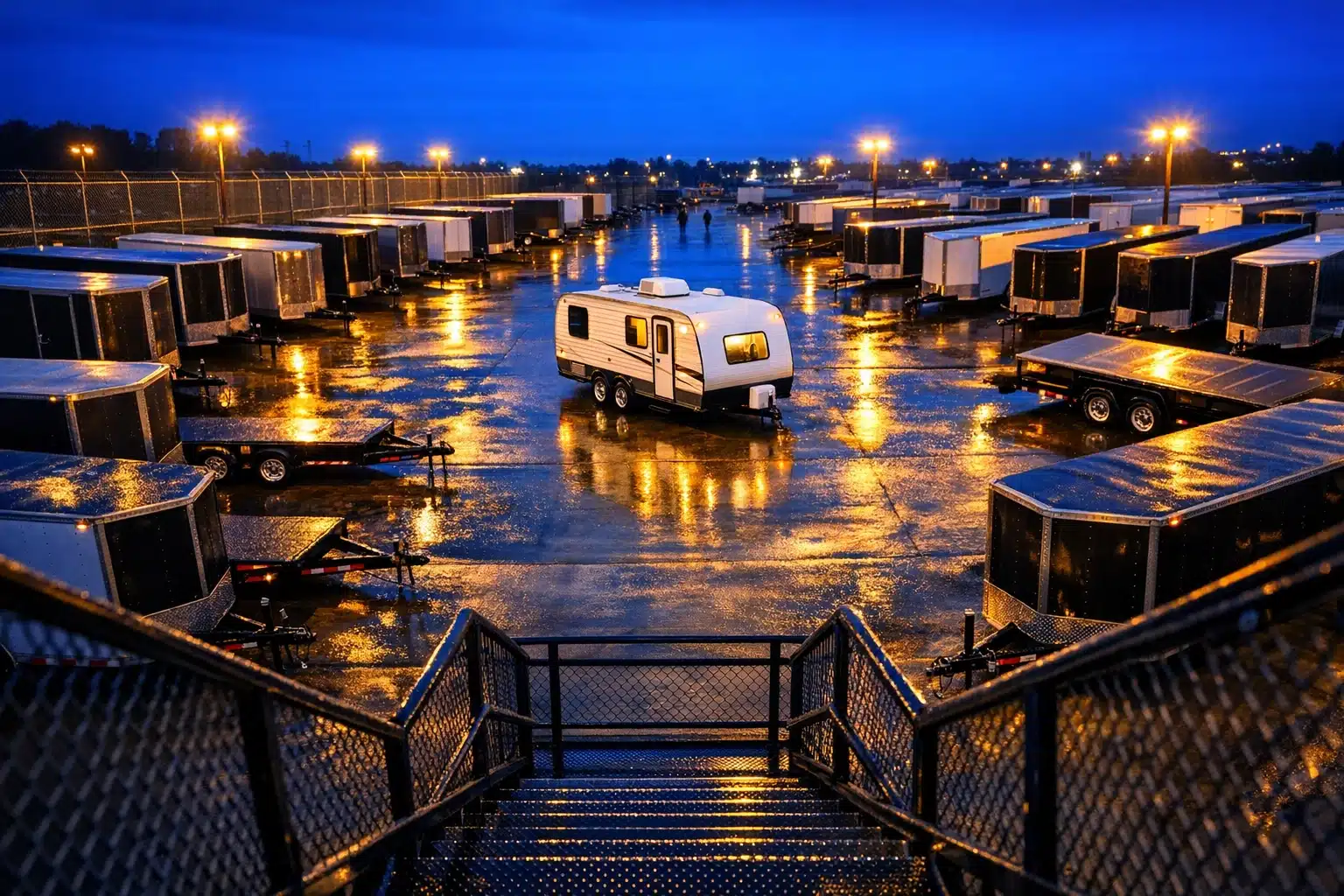
When people hear the phrase police impound sale, they often imagine rows of cars baking under a hard sun, each one holding a story that the windshield never tells. Trailers belong in that same world, but they require a different kind of buyer thinking. A used sedan may start, idle, and reveal much of its condition in a few minutes. A trailer is quieter, more deceptive, and often more dependent on close inspection. Rust can hide under paint. Floors can soften beneath rubber mats. Wiring can look tidy and still fail the moment lights are connected. That is why this market rewards patience more than enthusiasm.
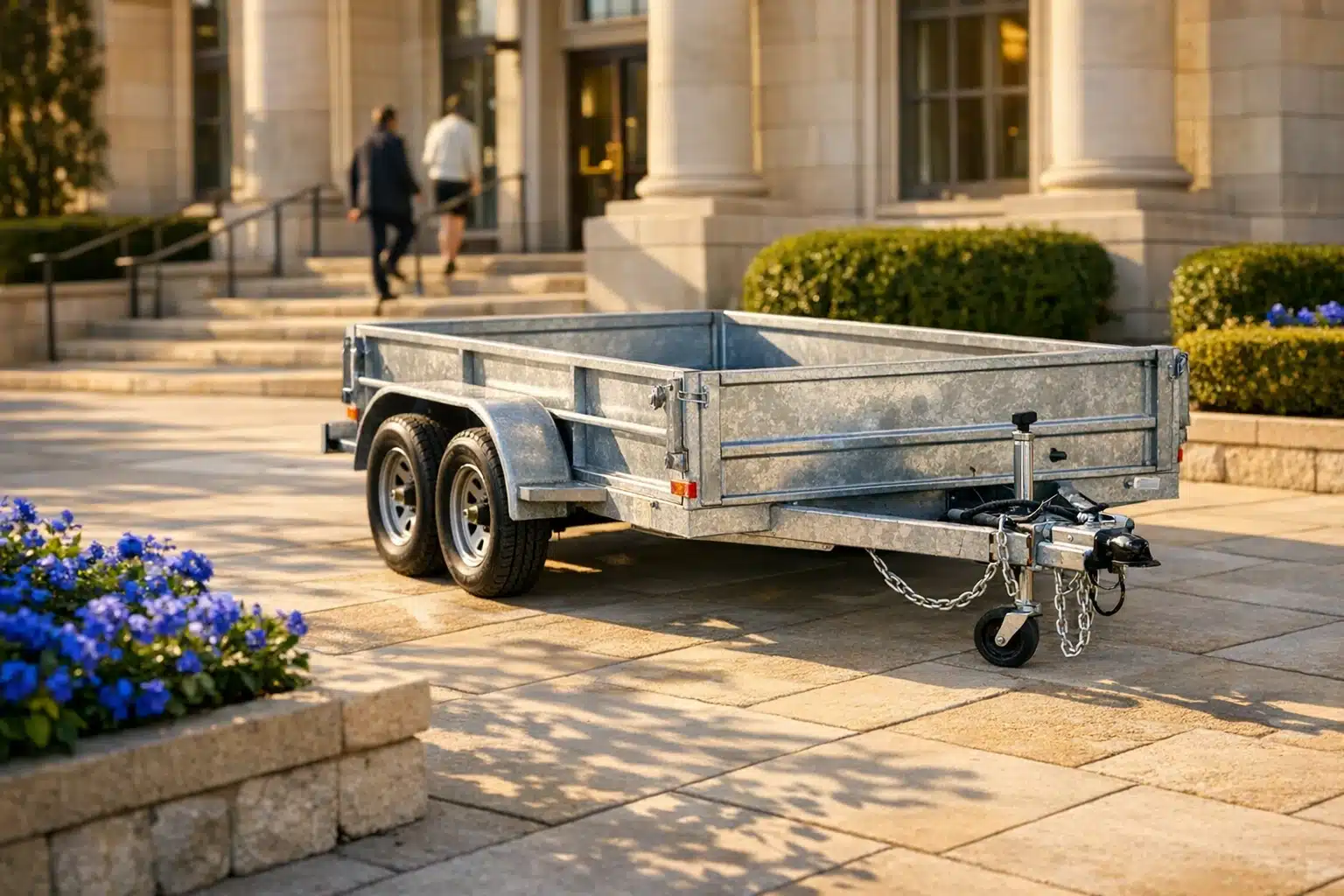
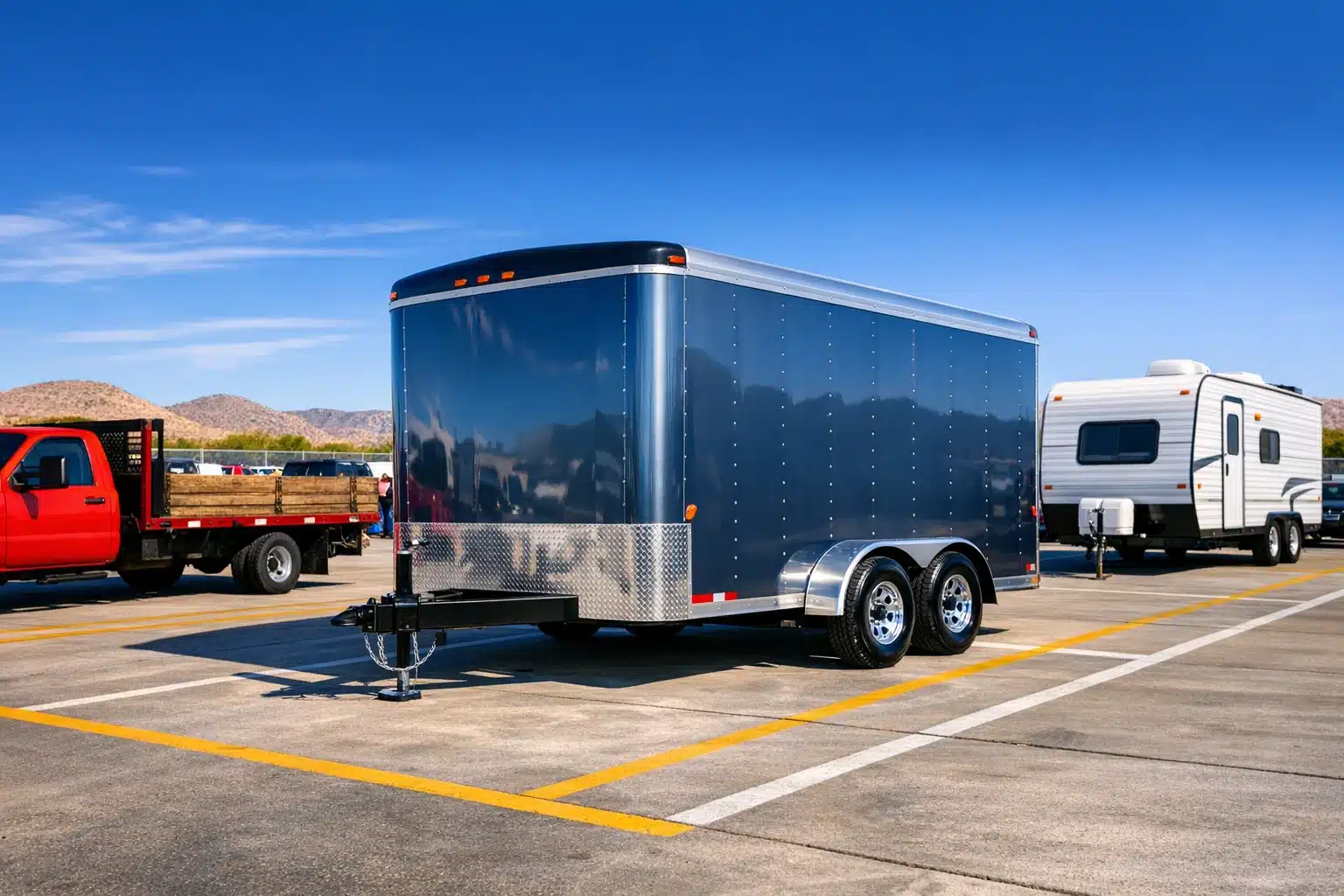
Another reason the topic matters is variety. Police impound inventories can include utility trailers, enclosed cargo trailers, equipment haulers, boat trailers, travel trailers, and occasional specialty units. Each category carries different values, repair risks, and registration issues. A contractor looking for a tandem-axle cargo trailer is not solving the same problem as a hobbyist searching for a small landscaping trailer. The same low sale price can be a brilliant buy for one person and an expensive mistake for another. In other words, the trailer itself is only half the equation; the buyer’s intended use determines whether the numbers make sense.
- This article begins with how impound trailers enter the system and how public sales are typically organized.
- It then explains how to inspect major mechanical and structural areas before you bid.
- Next, it covers titles, VIN checks, liens, registration questions, and the paperwork that protects buyers from avoidable trouble.
- After that, it breaks down the true cost of purchase, including fees, transport, repairs, and downtime.
- Finally, it closes with bidding strategies and a practical summary for contractors, resellers, hobbyists, and first-time buyers.
This outline matters because impound trailers combine two kinds of uncertainty: legal process and physical condition. Either one can affect value; together they can completely redefine it. A trailer may be structurally sound but delayed by title processing, or legally clear yet expensive to rehabilitate after years of neglect. Buyers who understand this balance walk into an auction yard with sharper questions and a calmer mindset. That alone can be an advantage, because the best impound purchase is rarely the cheapest trailer in the row. It is the one whose risks you can correctly measure before the bidding starts.
How Police Impound Trailer Sales Usually Work
Not every police impound trailer has a dramatic backstory. Some units are towed after parking violations, abandonment, expired registration, unpaid citations, or storage disputes. Others may be held temporarily during an investigation and later cleared for sale if they remain unclaimed. In many places, the police department does not directly manage the final sale. Instead, a municipality, contracted tow yard, sheriff’s office, or third-party auction company handles the disposal process. That detail matters because the rules you must follow often come from the seller’s procedures rather than from a single standard nationwide model.
The path from impound lot to public sale is usually administrative rather than mysterious. A trailer is taken into custody, the owner and lienholder are notified as required by local law, storage charges accumulate, and a waiting period passes. If the trailer remains unclaimed, the unit may become eligible for auction or surplus sale. Buyers should understand that these steps vary by state, county, and city. Some jurisdictions are efficient and document-heavy. Others are less polished, which means the buyer must be more careful and ask more questions. Variation is normal here; assumptions are expensive.
A typical sale process often looks like this:
- The seller publishes a listing with a short description, basic photos, and sale terms.
- Buyers receive a preview window, which may be in person or online only.
- Bidding happens through a live auction, sealed bid, or timed online platform.
- The winning bidder pays within a short deadline, sometimes the same day.
- Pickup must occur quickly, often within one to three business days.
Compared with private-party purchases, impound sales generally offer less conversation and less reassurance. There is rarely a helpful owner standing nearby to explain when the bearings were last packed or why one tire looks newer than the other. Compared with dealer inventory, there is usually no reconditioning, warranty, or paperwork coaching. The attraction is price, but the tradeoff is information. That is why phrases such as sold as is, where is, no guarantees, and no refunds appear so often in auction terms.
Buyers should also pay attention to practical rules that can change the outcome after the hammer falls. Some yards require proof of identity, some require certified funds, and some charge additional storage if the trailer is not removed on time. A few may refuse weekend pickup or insist that non-roadworthy trailers be removed by flatbed rather than towed on their own wheels. The lot may feel like a marketplace, but it operates more like a deadline machine. The prepared buyer arrives knowing the payment method, the removal window, and the transport plan before bidding even begins.
How to Inspect an Impound Trailer Before You Bid
If police impound sales have a golden rule, it is this: inspect what you can, and never assume the unseen parts are fine. Trailers can be deceptive because their problems do not announce themselves with engine noise or dashboard warnings. Damage hides in structure, alignment, corrosion, and neglect. Even a trailer that looks tidy in a photo can carry expensive issues below eye level. That makes preview time valuable, especially if access is brief and the yard does not permit invasive inspection.
Start with the frame and suspension. Look for cracked welds, bent crossmembers, uneven stance, and visible signs that one wheel sits differently from the other. Trailer axles, leaf springs, hangers, and shackles tell a story quickly when you know where to look. Uneven tire wear may indicate alignment trouble or overloading history. Deep rust is far more concerning on structural members than light surface oxidation on bolts or trim. On wood-deck utility trailers, probe gently for soft spots, swelling, or delamination. On enclosed trailers, examine wall seams, roof edges, and floor corners where water likes to linger quietly.
- Check the coupler for cracks, slop, or improper fit on the hitch ball size.
- Inspect safety chains, breakaway cable, jack operation, and stabilizers if equipped.
- Read the tire date codes; age matters even when tread depth still looks usable.
- Look at wheels for mismatched sizes, damaged studs, or signs of impact.
- Test lights if the preview rules allow a power connection.
- Find the VIN plate or stamped frame number and verify that it is legible.
Tires deserve special attention because they influence both safety and immediate cost. Trailer tires often age out before they wear out. Rubber hardens, sidewalls crack, and a long-parked trailer may roll only a few miles before a blowout says hello at highway speed. Many buyers use six years as a point for closer scrutiny, especially if the trailer will carry weight or travel far. Bearings are another common blind spot. A trailer that has sat motionless through several seasons may need bearing service before any serious use, even if it tows acceptably around the lot.
Different trailer types deserve different priorities. An open utility trailer is mostly about frame integrity, axle condition, deck health, and wiring. An enclosed cargo trailer adds roof leaks, door alignment, floor moisture, latch wear, and interior wall damage. A travel trailer or camper adds yet another layer: water intrusion, appliances, electrical systems, plumbing, and soft floors can turn an apparent bargain into a project with no gentle ending. The practical lesson is simple. Cosmetic flaws are easy to price. Structural defects, hidden rot, or incomplete running gear can eat your budget faster than the low bid ever saves it.
Titles, VINs, Fees, and the Real Cost Beyond the Winning Bid
For many buyers, the paperwork is more intimidating than the trailer itself, and that is understandable. A trailer with manageable repair needs can still become a frustrating purchase if the ownership documents are incomplete or delayed. Rules differ widely by state. Some lighter trailers may be registered with simpler documentation, while heavier or more valuable units often require a title. Some jurisdictions issue a bill of sale first and process title paperwork later. Others may provide a title application path rather than the title document on the day of sale. The key point is that buyers should never assume all trailers are treated like all cars, because they are not.
Start with the VIN or serial number. It should match the auction listing and whatever paperwork the seller provides. If the identification plate is missing, damaged, or unreadable, registration can become much harder. Buyers should also ask whether the seller is transferring clear ownership, whether any lien release is required, and how long final documentation typically takes. Even where the sale is lawful, administrative timing can slow your ability to register, insure, resell, or finance improvements. A trailer that cannot yet be titled may still be useful on private property, but that is not the same thing as road-ready value.
- Ask what document you receive on sale day: bill of sale, title, certificate, or release form.
- Verify whether taxes, buyer premiums, or administrative charges are added to the hammer price.
- Confirm pickup deadlines and whether storage fees resume after the deadline passes.
- Check whether keys, locks, spare tires, ramps, or accessories are included.
- Find out if the trailer must be removed by towing service when tires or brakes are unsafe.
The real purchase price is often a layered number. A trailer won for 1800 dollars can become a 3000-dollar transaction surprisingly fast once you add a buyer premium, sales tax where applicable, replacement tires, wheel bearings, light repairs, a battery for a breakaway system, and transport from the lot. Enclosed trailers may also need lock replacement if keys are missing. Campers can bring a longer list: roof sealing, appliance checks, plumbing work, battery replacement, and sometimes professional inspection fees. The bargain is still possible, but only when all costs are counted before bidding instead of after the invoice arrives.
Compared with a private seller, an impound sale may offer a lower entry price but usually supplies less service and less history. Compared with a dealer, it typically demands more mechanical confidence and more administrative patience. That does not make impound trailers bad opportunities. It simply means buyers should evaluate them with full-cost thinking. Price is what the auction screen shows. Cost is what follows you home.
Conclusion: Who Should Buy, How to Bid, and When to Walk Away
Police impound trailers make the most sense for buyers who can translate uncertainty into numbers. That group often includes contractors who know trailer specs, mechanics comfortable with wheel-end service, resellers who understand paperwork timelines, and experienced hobbyists who already own the tow vehicle, tools, and patience required for cleanup work. First-time buyers can succeed too, but only if they approach the sale with discipline rather than auction fever. A low starting bid can feel like an invitation. Sometimes it is. Sometimes it is only the first line in a longer invoice.
The most effective bidding strategy begins before the event. Set a hard ceiling based on the trailer’s likely market value after repairs, registration, and transport. Then subtract a safety margin for surprises, because impound sales specialize in surprises. If a comparable road-ready utility trailer sells locally for 3500 dollars, and you estimate 900 dollars in parts, 250 in fees, and 200 in transport, your maximum sensible bid is not 3000. It is closer to 2000 or less, depending on your tolerance for risk. Numbers like that keep optimism from taking the wheel.
- Research local resale values before you attend the auction.
- Bring a flashlight, tire gauge, gloves, and your hitch or transport plan.
- Read the terms twice, especially around payment and removal deadlines.
- Bid on condition and paperwork certainty, not on wishful thinking.
- Walk away quickly if the VIN is questionable, the frame is damaged, or the title path is unclear.
Buyers should also match the trailer to the job, not just to the deal. A landscaper may benefit from a plain, rugged utility trailer even if it looks rough around the edges. A mobile business owner may need an enclosed cargo unit where water leaks or door misalignment are deal breakers. A recreational buyer looking at a camper should be especially careful, because water intrusion and interior system failures can exceed the purchase price with alarming speed. The smart buyer does not chase every cheap trailer. The smart buyer waits for the right cheap trailer.
For the target audience, the core lesson is simple and useful: impound trailers can offer real value, but value appears only when legal clarity, structural condition, and total cost align. If you inspect carefully, verify documents, budget honestly, and bid with restraint, these sales can produce worthwhile finds. If you skip those steps, the bargain can unravel before the hitch leaves the yard. In this corner of the market, preparation is not a bonus. It is the price of admission.