Police Impound Trailers: What They Are and How They Work
Introduction and Article Outline
Police impound trailers sit at the crossroads of transportation law, public safety, and everyday logistics, yet most people never think about them until a tow truck appears or an auction notice goes live. A trailer can be impounded for expired registration, unsafe condition, abandonment, evidence handling, or unpaid violations, and each reason triggers its own chain of paperwork, fees, and deadlines. Understanding that chain matters for owners, buyers, fleet managers, and anyone who depends on a trailer to move equipment, goods, or livestock.
Unlike a standard parking ticket, an impound event changes the status of a trailer immediately. It is no longer simply sitting somewhere it should not be. It enters a controlled process involving law enforcement, towing operators, storage lots, administrative rules, and in some cases courts or insurance carriers. That process can move quickly, especially when the trailer is blocking traffic, connected to an investigation, or judged unsafe for public roads. Miss a deadline, fail to bring the right documents, or underestimate storage charges, and a manageable inconvenience can become a costly ordeal.
This article begins with a practical outline so readers know where the road leads before they start the engine. The main points are:
- What a police impound trailer is and how it differs from a routine tow
- The most common reasons trailers are seized, held, or removed
- How the impound process works from roadside decision to release or auction
- What fees, rights, paperwork, and disputes owners should expect
- How former impound trailers are sold and what buyers should inspect carefully
If you own a work trailer, haul recreational equipment, manage a small fleet, or browse government auctions for bargains, this topic is more relevant than it first appears. An impound yard is less a parking lot than a legal waiting room. Every hour there adds cost, and every missing document adds delay. Knowing the system before trouble starts is the difference between solving a problem and being surprised by it.
What Police Impound Trailers Are and Why They Get Impounded
A police impound trailer is a trailer that has been taken into official custody or directed into custody by law enforcement. That definition matters because not every towed trailer is technically a police impound. Some are removed by private property towing companies after unauthorized parking. Others are repossessed through lender action. A police impound, by contrast, usually involves a public safety concern, a legal violation, an investigative need, or a formal order from an authorized agency.
The word trailer also covers more ground than many people assume. Impounded units may include:
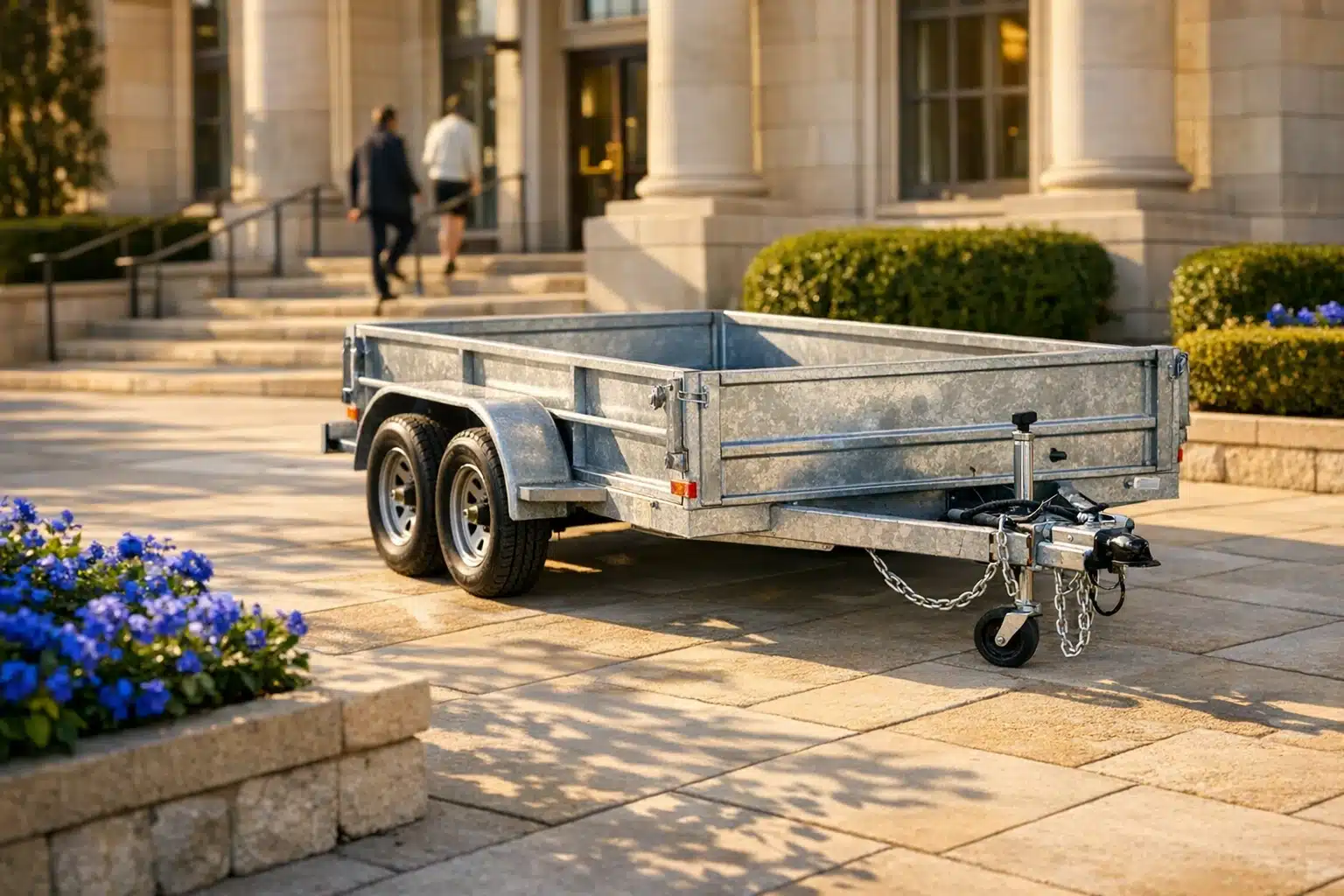
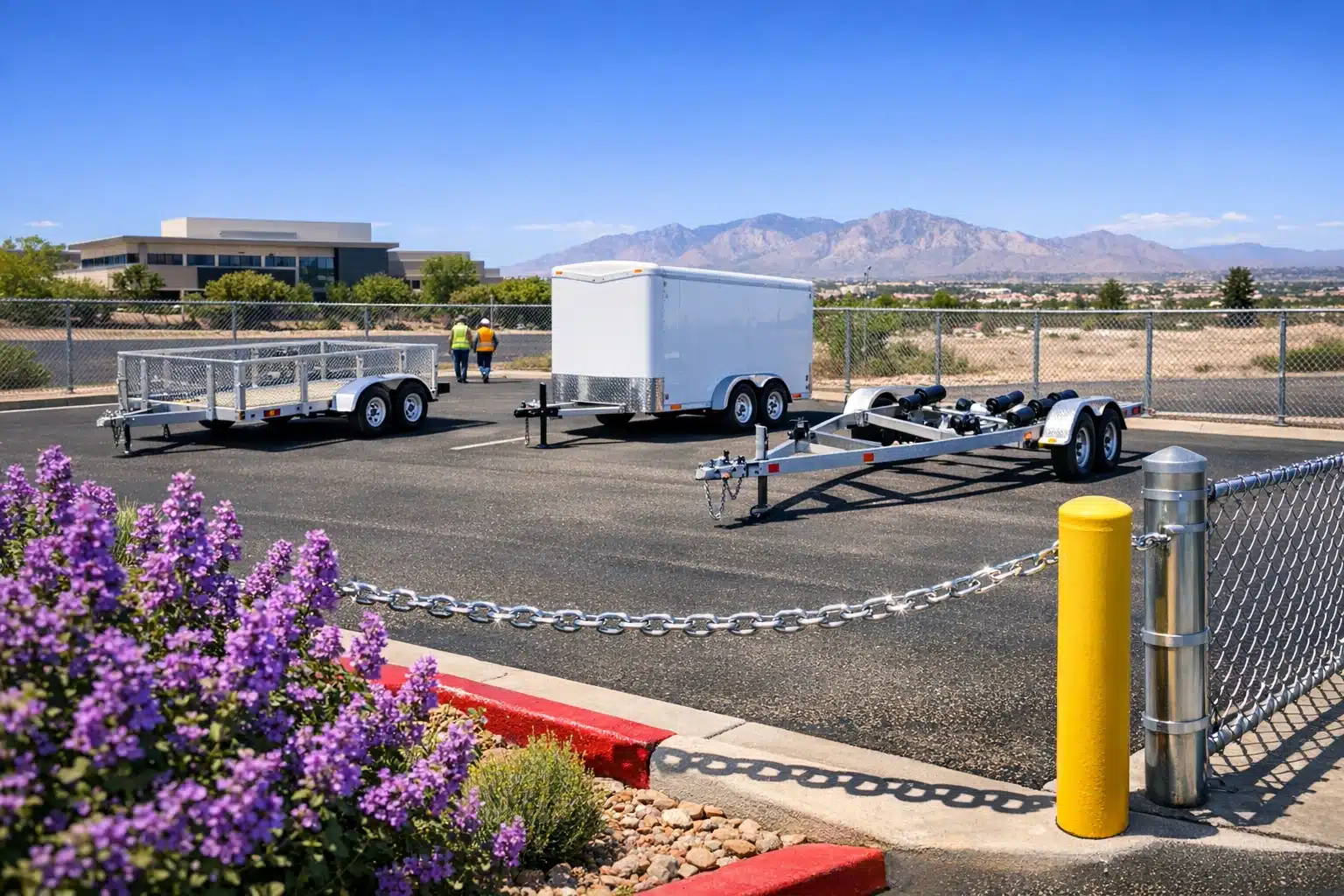
- Utility trailers used by homeowners and contractors
- Enclosed cargo trailers for tools, inventory, or event gear
- Boat trailers and recreational haulers
- Flatbed and equipment trailers used in construction or landscaping
- Commercial semi-trailers or specialized industrial units
Reasons for impound vary by jurisdiction, but several patterns appear again and again. One common reason is a registration issue. If a trailer has expired plates, no visible plate where required, or mismatched registration records, an officer may determine that it cannot legally remain in use on public roads. Another frequent cause is unsafe condition. Broken lights, detached safety chains, failed tires, damaged couplers, or structural defects can turn a trailer from a simple hauling tool into a highway hazard.
Abandonment is another major category. A trailer left on a shoulder, in a public lot, or on a street for too long may be tagged and then removed. Sometimes it is clearly neglected; sometimes it belongs to someone who planned to come back later and misjudged how long it could remain there. The law usually cares more about location, notice, and time than about intention.
Police may also impound a trailer as part of a broader incident. If the towing vehicle is seized after a DUI arrest, if the trailer contains stolen goods, if it is suspected evidence, or if ownership is disputed, the trailer can be held even when it is not the central problem. In commercial settings, trailers may also be stopped due to weight, equipment, permit, or cargo-related violations. Compared with passenger cars, trailers often create extra complications because ownership documents, VIN plates, and insurance records may be stored separately or may not be carried by the operator at all.
That is why impounds can feel confusing. The trailer itself is just metal, axles, and purpose. But in legal terms, it becomes a package of safety questions, title history, and administrative responsibility.
How the Impound Process Usually Works from Stop to Storage
Although procedures differ by state, city, and agency, the typical impound process follows a fairly predictable sequence. It often begins at the roadside or at the scene of a complaint. An officer identifies a violation, a hazard, an abandonment issue, or an investigative reason to secure the trailer. If the problem can be corrected immediately, such as producing valid documents or moving the trailer legally, an impound may be avoided. If not, the trailer is usually ordered to be towed.
At that point, the process becomes administrative as much as physical. The trailer may be photographed, inventoried, or checked for identifying marks such as the VIN, plate number, decals, or cargo description. In evidence-related cases, the chain of custody can be especially important. In routine cases, the goal is usually simpler: record condition, note visible contents, and transfer possession to an approved towing or storage operator.
From there, the trailer generally goes to one of two places:
- A municipal impound lot run by a public agency
- A contracted private tow yard holding vehicles for the agency
The difference affects practical details. Municipal yards may have more formal release windows and internal paperwork steps. Private contractors may handle storage and billing directly, sometimes with limited office hours that surprise owners who arrive late in the day. Either way, the trailer is typically not released until the hold is cleared and all required conditions are met.
Notification rules are also a key part of the process. Agencies commonly send notice to the registered owner, lienholder, or both, using records available through motor vehicle databases. If those records are outdated, the owner may learn about the impound later than expected, while the storage meter keeps running. This is one reason current registration and address information matter so much.
In some cases, release is simple: show identification, prove ownership, pay charges, and remove the trailer with a roadworthy tow vehicle. In other cases, additional steps apply. An evidence hold may require sign-off from detectives. A registration problem may need correction at the motor vehicle office first. A safety defect may require inspection before the trailer can legally return to the road.
Time is the hidden force in the entire system. Towing is a one-time hit, but storage accumulates day by day. That is why people often describe impounds as expensive even when the original violation seems minor. The clock starts early, and it rarely waits for convenience.
Costs, Paperwork, Owner Rights, and Common Disputes
For most owners, the hardest part of a police impound is not understanding why the trailer was taken. It is understanding what must be done, in what order, and at what cost to get it back. Fees vary widely, but the structure is usually familiar. There may be an initial towing charge, a daily storage fee, an administrative or release fee, and in some cases extra costs for after-hours access, dollies, winching, heavy equipment handling, or long-distance transport. If the trailer carries cargo that must be unloaded or secured separately, the bill can grow even faster.
Typical release paperwork often includes several of the following items:
- Government-issued identification
- Proof of ownership such as title, registration, bill of sale, or fleet records
- Proof that the police hold has been lifted
- Current registration where required
- Insurance documentation if state law or yard policy requires it
- A roadworthy vehicle capable of towing the trailer legally
Problems arise when these documents are split across people or offices. A landscaping company may have the trailer in the field, the registration in the office, and the insurance policy with a manager who is traveling. A private owner may discover that the title was never properly transferred after a casual sale. A buyer of a used trailer may learn, at the worst possible moment, that the VIN plate is damaged or unreadable. In impound cases, paperwork weaknesses that felt minor before can suddenly become central.
Owners also have rights, although the scope depends on local law. In many jurisdictions, people can request information about the basis for impound, challenge the tow through an administrative hearing, or dispute charges they believe are improper. If the trailer was wrongly identified, towed from a place where it was allowed to be, or held after legal grounds expired, there may be a process for review. The practical lesson is simple: ask for written records, keep receipts, document conversations, and learn the deadline for contesting the action. Waiting too long can mean losing the chance to dispute anything at all.
Commercial operators face a slightly different landscape than casual owners. A fleet manager may be able to resolve release issues faster because records are centralized and staff know compliance rules. On the other hand, a business trailer off the road may disrupt jobs, deliveries, or contract deadlines, making the indirect cost far larger than the tow bill itself. For a homeowner, the trailer may represent inconvenience. For a contractor, it may represent tomorrow’s revenue.
When disputes happen, clarity wins. Names, times, forms, plate numbers, photos, and written notices matter more than outrage. The impound system responds to documentation, not volume.
Auctions, Buying Considerations, and Practical Guidance for Owners and Buyers
If a trailer is not reclaimed within the time allowed by law, it may eventually be sold through auction, lien sale, or other disposal process authorized by the jurisdiction. This is where public curiosity often spikes. People hear about impound trailers and imagine hidden bargains lined up behind a fence, waiting like forgotten treasure. Sometimes there are good deals. Just as often, there are reasons the trailer ended up there in the first place, and those reasons deserve careful inspection.
Former impound trailers may be sold with limited guarantees or none at all. Buyers should expect uncertainty in areas such as condition, missing equipment, title status, and prior use. A trailer that looks sturdy from twenty feet away may hide frame rust, axle wear, electrical problems, brake defects, bent couplers, or missing ramps. Enclosed trailers can be especially tricky because flooring, roof seals, interior framing, and hidden water damage are not always obvious during a quick preview.
Before bidding, smart buyers usually check:
- Whether a title or transfer document is available
- Whether the VIN is legible and consistent across records
- Signs of structural repair, welding, or frame distortion
- Tire age, wheel condition, lights, wiring, and brake components
- Missing jacks, chains, doors, locks, or specialty hardware
- Whether the trailer was part of commercial use that may have accelerated wear
Owners trying to avoid auction should act fast and communicate early. If you receive notice, confirm the yard location, the total charges to date, the release requirements, and the hours for pickup. Ask whether the trailer can be released the same day once payment and documents are presented. If there is an evidence hold or ownership problem, ask what specific agency or office must clear it. General frustration does not shorten the process, but precise questions often do.
For buyers, patience is part of the price. A cheap trailer with unclear paperwork is rarely cheap by the time inspections, repairs, missing parts, registration, and transport are finished. For owners, prevention is better than recovery. Keep registration current, maintain lights and tires, store proof of ownership where it can be reached quickly, and inspect couplers, chains, and brakes before every trip.
The bottom line for owners, buyers, and small business operators is straightforward: treat a trailer like a licensed asset, not an afterthought. When police impound enters the picture, the issue is no longer only transport. It becomes a matter of compliance, cost control, and timing. Learn the rules before you need them, respond quickly if your trailer is seized, and look past the surface if you plan to buy one after the dust settles.